LOS ANGELES — More than a decade after moving audiences with their angelic voices in the closing scenes of the award-winning documentary Beyond Beauty: Taiwan from Above, a group of Taiwan's Indigenous youth returned to Los Angeles—not as children, but as confident young leaders eager to share their stories, celebrate their cultural heritage, and inspire others through leadership and service.
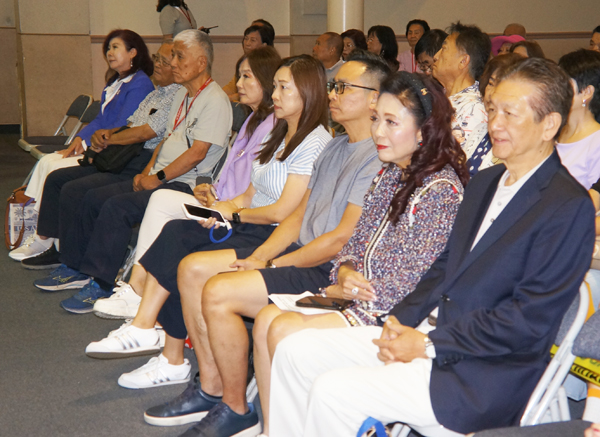
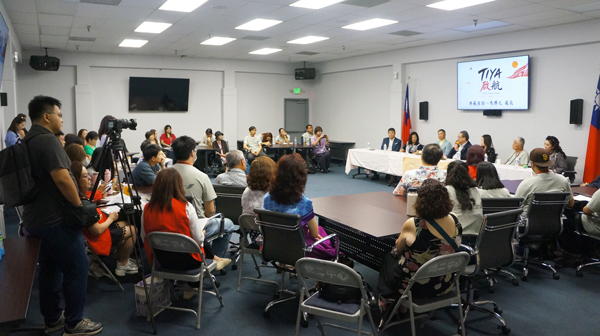
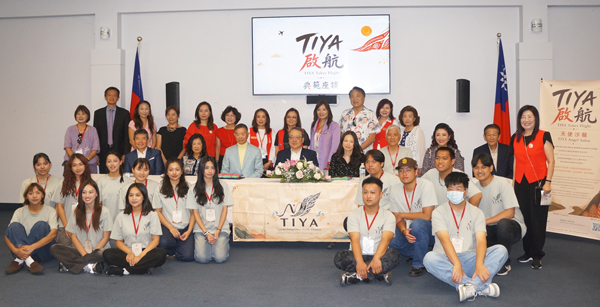 Hosted by the Taiwan Indigenous Youth Alliance (TIYA), the Mentorship Forum & Angel Salon brought together diplomats, educators, community leaders, and members of Southern California's Taiwanese American community for a day of cultural exchange, leadership development, and celebration. The event attracted a full audience, reflecting strong support for the next generation of Indigenous leaders.
 Many of the young participants were the very children whose voices touched millions at the end of Beyond Beauty, singing atop Taiwan's highest peak, Yushan (Jade Mountain). More than ten years later, they have grown into educators, professionals, university students, and emerging leaders. Some have returned to their Indigenous communities to serve through education and cultural preservation, while others have pursued higher education and careers that broaden their perspectives and strengthen their ability to contribute to society.
This year, through TIYA's Wayfinder Program, they returned to the United States to participate in a leadership and cultural exchange initiative designed to deepen intercultural understanding, expand their global outlook, and encourage them to bring the knowledge and experiences they gain back to their communities in Taiwan.
Many of the young participants were the very children whose voices touched millions at the end of Beyond Beauty, singing atop Taiwan's highest peak, Yushan (Jade Mountain). More than ten years later, they have grown into educators, professionals, university students, and emerging leaders. Some have returned to their Indigenous communities to serve through education and cultural preservation, while others have pursued higher education and careers that broaden their perspectives and strengthen their ability to contribute to society.
This year, through TIYA's Wayfinder Program, they returned to the United States to participate in a leadership and cultural exchange initiative designed to deepen intercultural understanding, expand their global outlook, and encourage them to bring the knowledge and experiences they gain back to their communities in Taiwan.
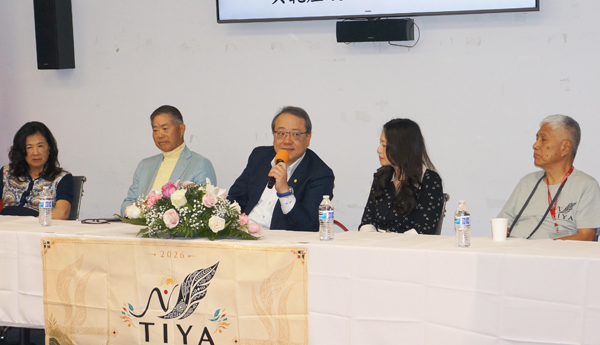 The morning program featured the Mentorship Forum, where Director General Jason Ma of the Taipei Economic and Cultural Office in Los Angeles and Presidential Advisor Jackson Yang served as distinguished mentors, sharing their personal journeys, leadership experiences, and lifelong commitment to public service.
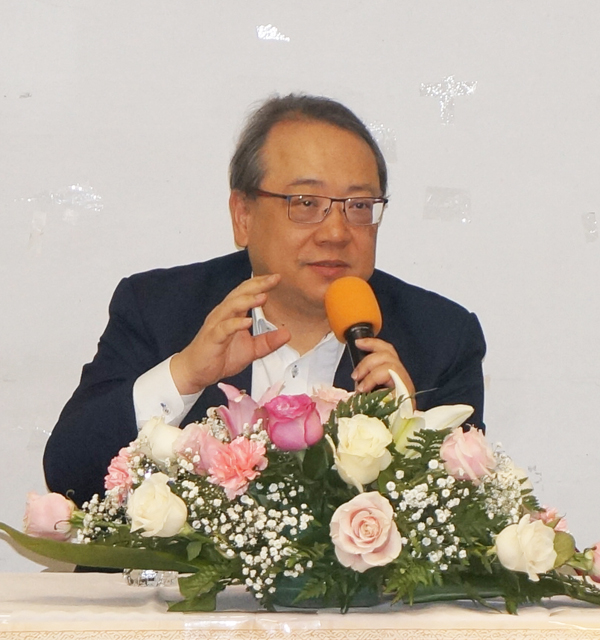 Drawing on years of diplomatic experience, Jason Ma encouraged the students to embrace challenges, step beyond their comfort zones, and develop a global perspective while remaining deeply connected to their cultural roots. He reminded them that every Indigenous community has unique stories worth sharing and encouraged the youth to become ambassadors of their heritage wherever life may lead them.
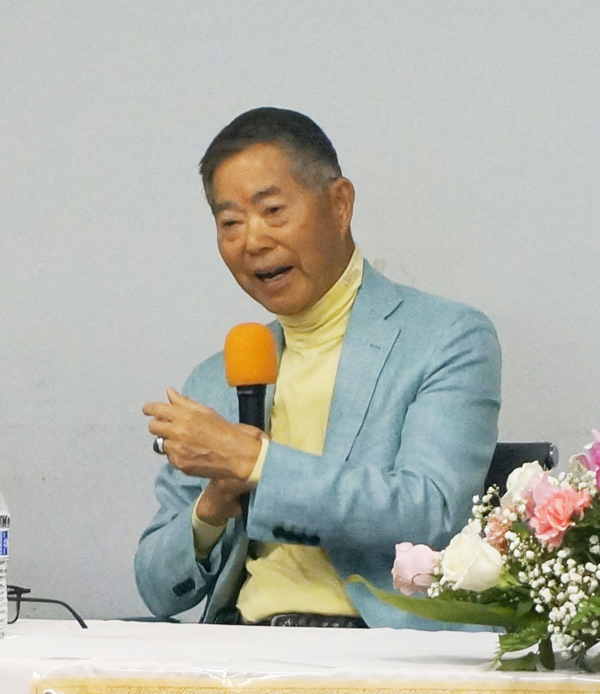 Jackson Yang reflected on his entrepreneurial journey, philanthropic work, and long-standing commitment to youth development. He encouraged participants to treasure every opportunity to learn, pursue their dreams with determination, and give back to society with gratitude. While life's path is rarely without obstacles, he noted, resilience and perseverance often transform challenges into opportunities for growth.
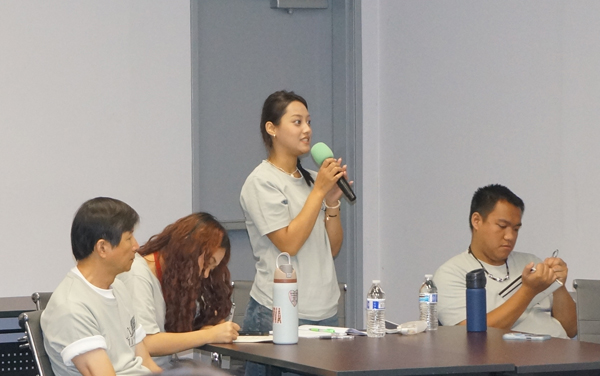
Throughout the forum, the students actively engaged with both speakers, asking thoughtful questions about leadership, career development, overcoming adversity, and serving their communities.
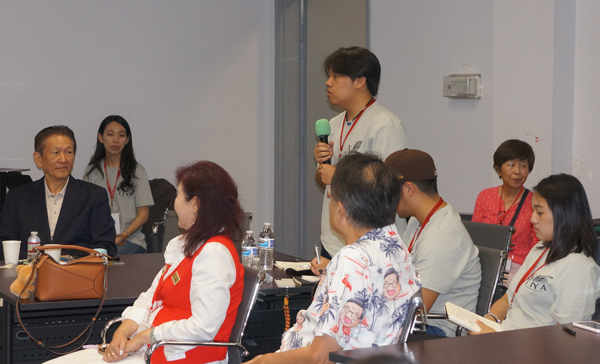
The lively discussions created one of the most memorable moments of the exchange program, inspiring the youth to think more deeply about their futures and the impact they hope to make.
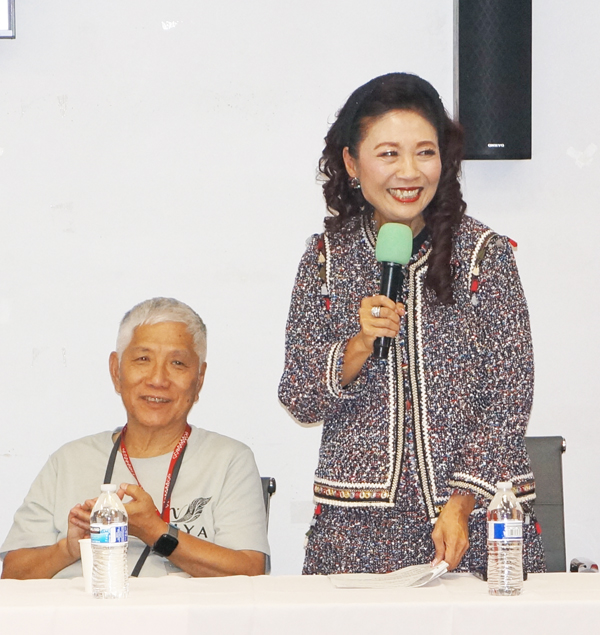 The event was hosted by Iren Fang, Overseas Community Affairs Council Commissioner and President of the AI Education Foundation.
Iren Fang said the mentorship forum was created to give Taiwan's Indigenous youth a rare opportunity to learn directly from accomplished leaders whose life experiences could inspire confidence, courage, and vision for the future.
The event was hosted by Iren Fang, Overseas Community Affairs Council Commissioner and President of the AI Education Foundation.
Iren Fang said the mentorship forum was created to give Taiwan's Indigenous youth a rare opportunity to learn directly from accomplished leaders whose life experiences could inspire confidence, courage, and vision for the future.
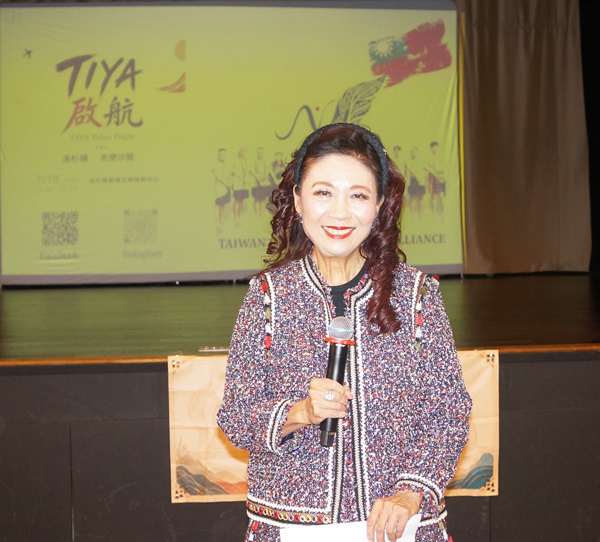 Iren Fang described Jason Ma and Jackson Yang as outstanding role models whose personal journeys demonstrate that perseverance, lifelong learning, and dedication can open unexpected opportunities.
Encouraging the students to believe in themselves, Pan emphasized that determination and continuous learning can transform lives. She urged the youth to remain confident in their abilities, pursue meaningful goals, and become future leaders who positively influence their communities.
She also expressed hope that the event would help more people in Southern California gain a deeper appreciation for the richness, resilience, and beauty of Taiwan's Indigenous cultures while inspiring a new generation of young leaders.
Iren Fang described Jason Ma and Jackson Yang as outstanding role models whose personal journeys demonstrate that perseverance, lifelong learning, and dedication can open unexpected opportunities.
Encouraging the students to believe in themselves, Pan emphasized that determination and continuous learning can transform lives. She urged the youth to remain confident in their abilities, pursue meaningful goals, and become future leaders who positively influence their communities.
She also expressed hope that the event would help more people in Southern California gain a deeper appreciation for the richness, resilience, and beauty of Taiwan's Indigenous cultures while inspiring a new generation of young leaders.
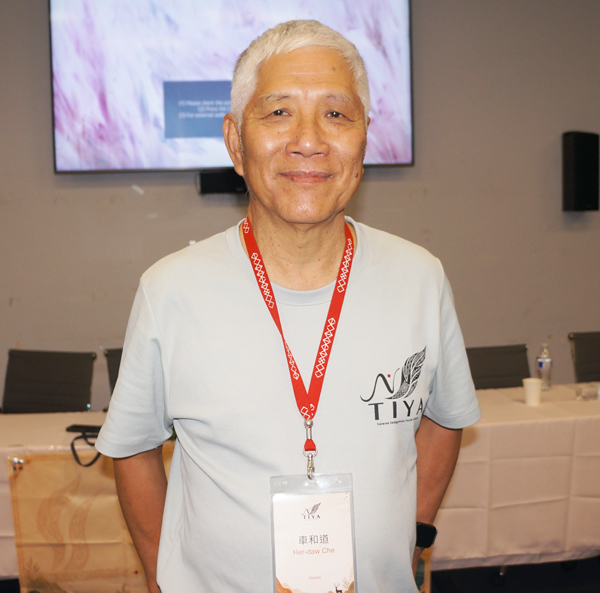 TIYA Executive Director Che Ho-Tao explained that TIYA grew out of the Vox Nativa Taiwan Indigenous Education Association, an organization that has dedicated itself to Indigenous and rural education in Taiwan for many years. The association currently operates boarding schools for elementary and junior high school students, providing educational opportunities and a stable learning environment for children from remote Indigenous communities.
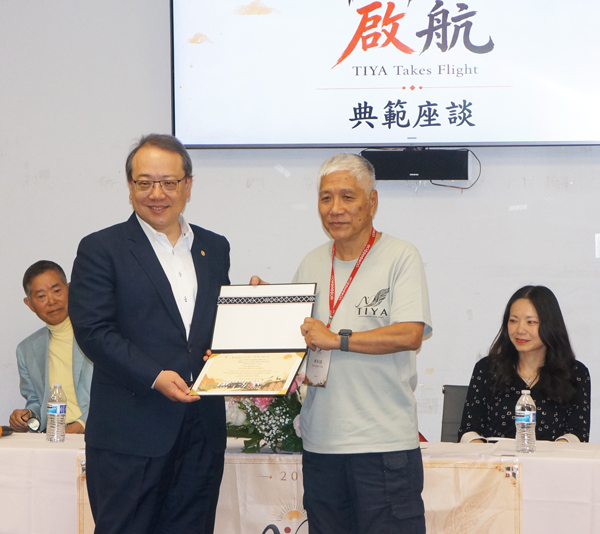 Beyond formal education, the organization has actively promoted international cultural exchange by connecting Indigenous youth from Taiwan with Indigenous youth in the United States. These programs encourage mutual understanding, friendship, and respect while allowing participants to learn from one another's cultures and experiences.
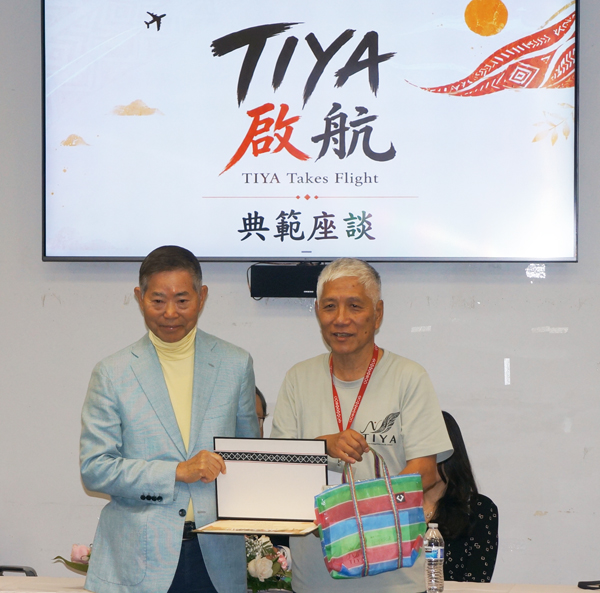 According to Che, this year's visit marks the sixth Taiwan-U.S. Indigenous Youth Exchange, with the very first exchange also taking place in Los Angeles. Over the years, the initiative has broadened participants' perspectives while introducing Taiwan's rich and diverse Indigenous cultures to international audiences.
Looking ahead, Che hopes to expand the program by inviting representatives from all 16 officially recognized Indigenous peoples of Taiwan, while also welcoming Indigenous communities from Austronesian-speaking regions and around the world to future international gatherings that promote intercultural dialogue, collaboration, and friendship.
According to Che, this year's visit marks the sixth Taiwan-U.S. Indigenous Youth Exchange, with the very first exchange also taking place in Los Angeles. Over the years, the initiative has broadened participants' perspectives while introducing Taiwan's rich and diverse Indigenous cultures to international audiences.
Looking ahead, Che hopes to expand the program by inviting representatives from all 16 officially recognized Indigenous peoples of Taiwan, while also welcoming Indigenous communities from Austronesian-speaking regions and around the world to future international gatherings that promote intercultural dialogue, collaboration, and friendship.
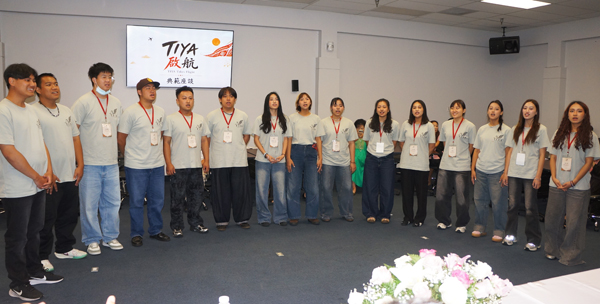
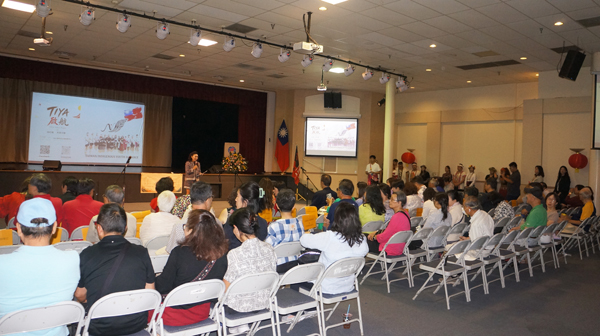 The afternoon program, "TIYA Departure – Los Angeles Angel Salon," featured traditional songs, dance performances, and cultural presentations by the youth.
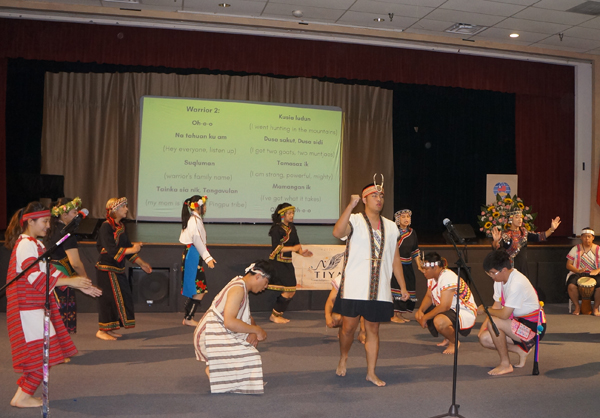 Through music and storytelling, the participants expressed heartfelt gratitude to the teachers, mentors, community leaders, and supporters who have encouraged them throughout their journeys.
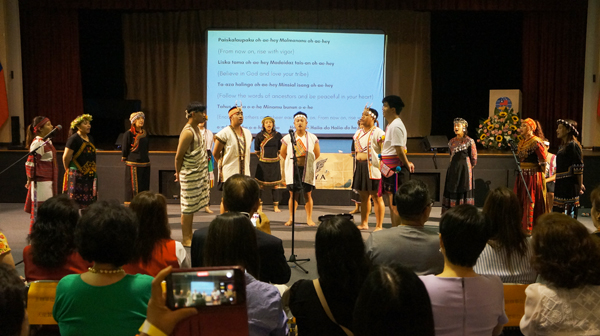 Their performances showcased not only the beauty and vitality of Taiwan's Indigenous cultures but also the personal growth they experienced during their exchange in the United States. Through each song and story, they demonstrated how cultural identity can become a source of confidence, resilience, and hope.
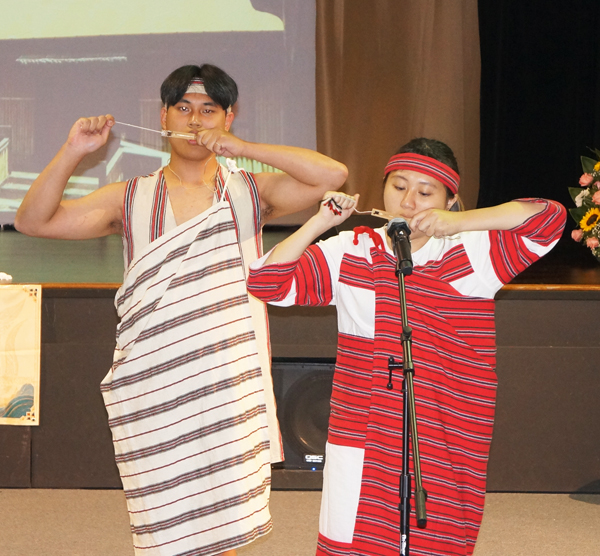 The performances received enthusiastic applause and heartfelt praise from the audience. Many attendees remarked that the sincerity of the young performers and the authenticity of their stories were deeply moving, highlighting both the richness of Taiwan's Indigenous heritage and the confidence of a new generation prepared to pursue its dreams.
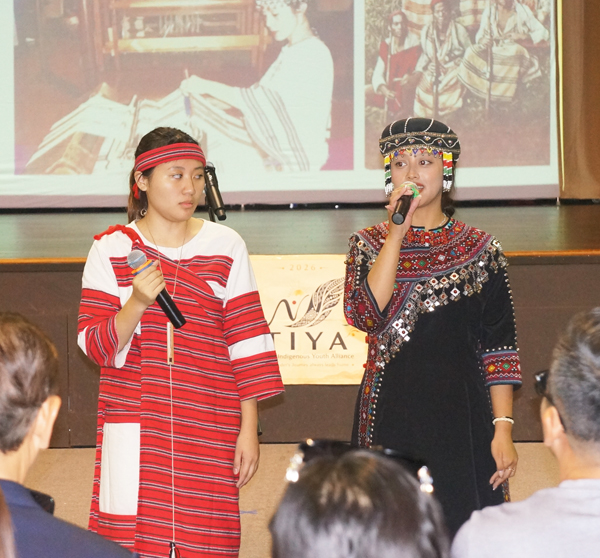 For more than a decade, the Vox Nativa Taiwan Indigenous Education Association has remained committed to developing Indigenous youth leadership. Its former Luma Program has since evolved into The Wayfinder Program, which has supported more than 60 Indigenous youth through international exchanges, leadership development, and cross-cultural learning experiences.
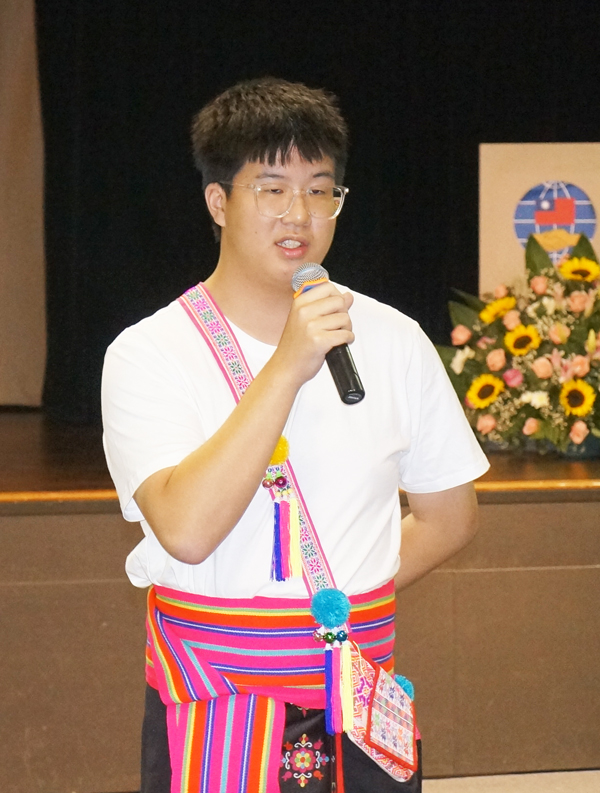 The organization hopes these young leaders will return home equipped with broader perspectives and practical skills that will strengthen Indigenous education, preserve cultural traditions, and contribute to the long-term development of their communities.
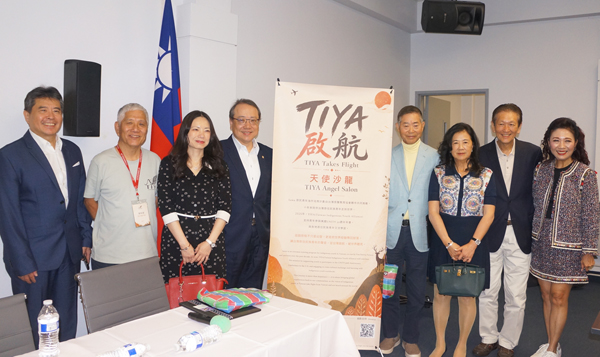 From the unforgettable voices that echoed across Yushan in Beyond Beauty: Taiwan from Above to standing confidently on a stage in Los Angeles, these young people have traveled far beyond geographical boundaries. Their journey reflects not only personal growth, but also resilience, cultural pride, and a commitment to serving others.
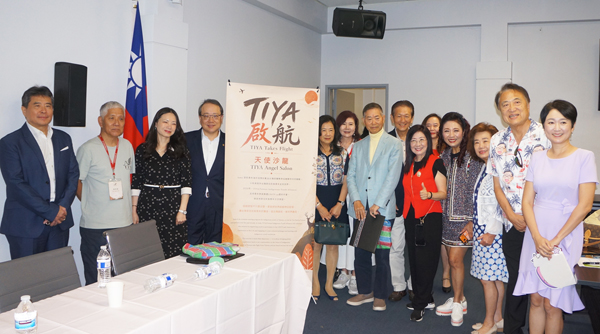 The Mentorship Forum & Angel Salon marked the successful conclusion of this year's U.S. exchange program while giving Southern California audiences a meaningful opportunity to witness the talent, determination, and aspirations of Taiwan's Indigenous youth.
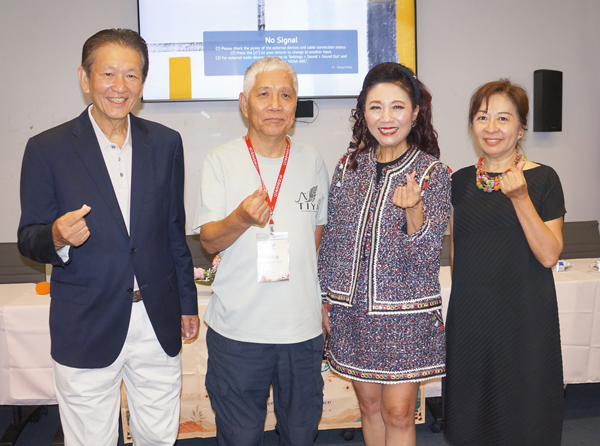 For these young leaders, the journey is about far more than traveling abroad. It is about discovering their own voices, strengthening their cultural identity, and returning home with the confidence to inspire future generations.
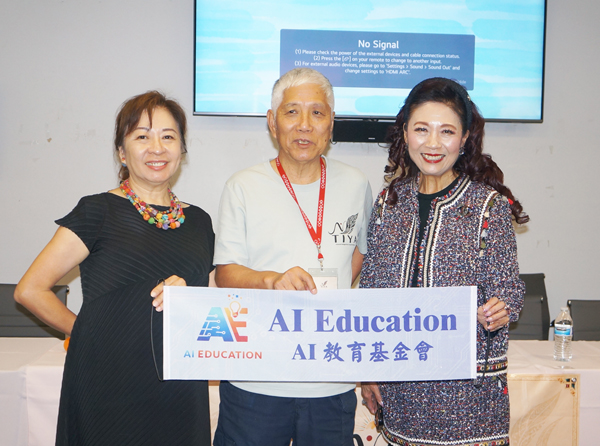
As they carry the traditions of their communities onto the global stage, they also bring home new perspectives, lasting friendships, and renewed hope—building bridges between cultures while writing the next chapter of Taiwan's Indigenous youth.